
The honest answer to how long a marriage green card takes is that it depends on four things, and only one of them is within your control. Published averages circulate widely and rarely match individual experience, because they blend together categories and offices that move at very different speeds. Rather than offering a number that will be wrong by the time you read it, this guide explains the marriage green card timeline as a sequence of stages — what happens in each, what makes each one longer or shorter, and where the delays that people actually experience come from.
A marriage green card case moves through petition processing, visa availability (only for spouses of permanent residents), the application stage, and finally an interview and decision. Spouses of U.S. citizens skip the visa availability wait entirely, which is the single largest timeline difference. Actual durations depend on the processing office or consular post and on whether additional evidence is requested. Check the current USCIS processing times tool rather than relying on published averages.
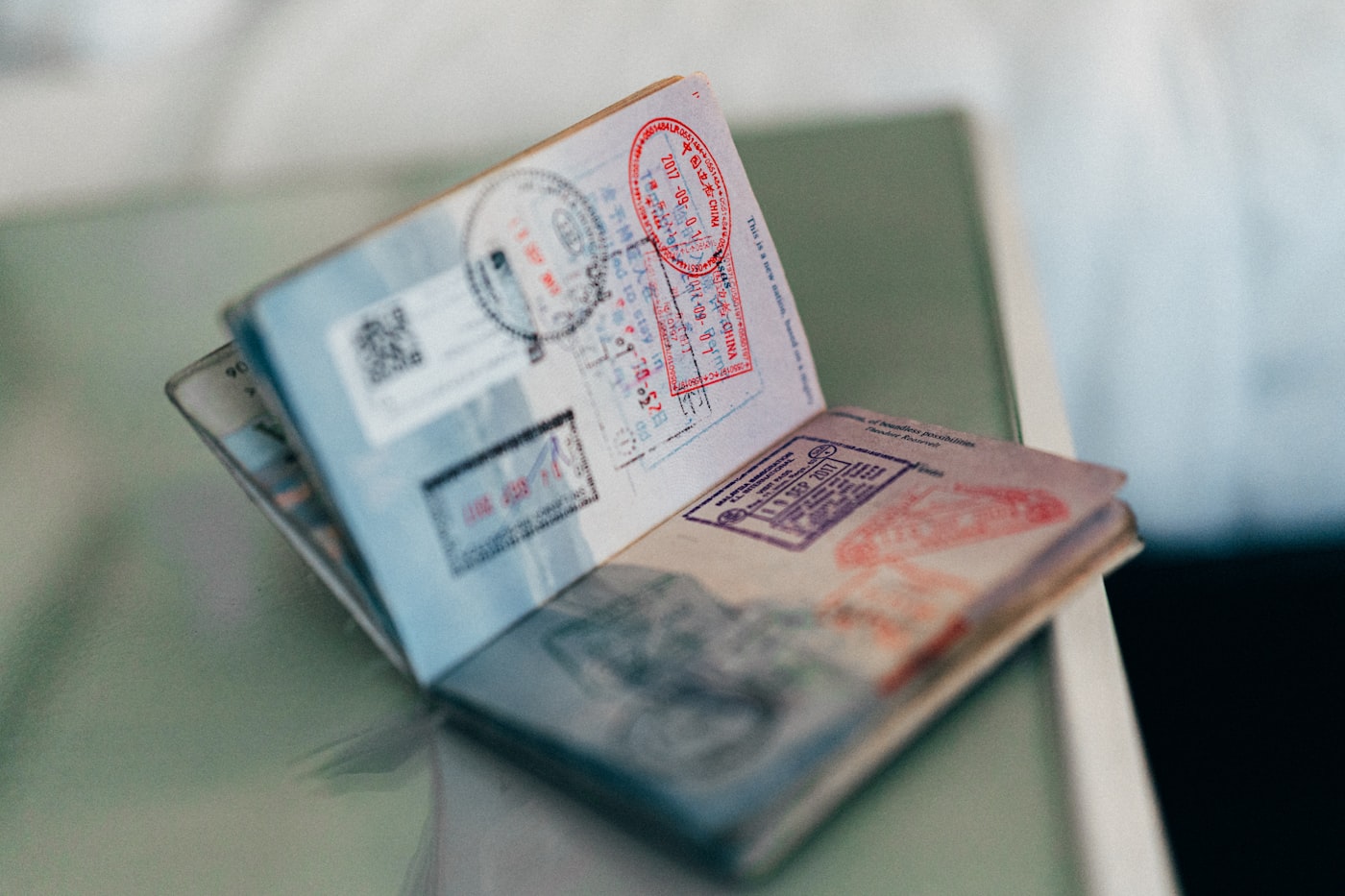
What you’ll learn
- The four stages where time accumulates, and which one many cases skip
- Why the petitioner’s status is the biggest single timeline factor
- The difference in timing between adjusting status and consular processing
- The four most common causes of delay and which you can control
- How to check current processing times rather than relying on averages
What determines the marriage green card timeline?
Four factors: who is petitioning, where the applicant completes the process, which office handles the case, and whether the filing is complete enough to avoid a request for evidence. The first two are structural, the third is assigned, and the fourth is the one applicants influence directly.
Case durations are best understood as a chain of stages rather than a single figure. A delay at any stage moves everything after it.
Why the petitioner’s status matters most
Spouses of U.S. citizens are classified as immediate relatives. Immigrant visa numbers are always available for that category, so there is no queue between petition approval and the application stage.
Spouses of lawful permanent residents fall into a preference category subject to annual numerical limits. When demand exceeds supply, a waiting period develops before the case can move to its final stage, even after the petition is approved. This is why two couples who file on the same day can experience completely different timelines.
How the route affects timing
| Stage | Adjustment of status (inside the U.S.) | Consular processing (abroad) |
|---|---|---|
| Petition | Form I-130 processed by USCIS | Form I-130 processed by USCIS |
| Middle stage | Form I-485 filed with or after the petition | National Visa Center document review and fee stage |
| Interim benefits | Work and travel authorization can be requested | Not applicable — applicant is abroad |
| Interview | USCIS field office; scheduling varies by office workload | U.S. embassy or consulate; varies significantly by post |
| Main variable | Field office backlog and evidence requests | Consular post capacity and document completeness |
The timeline is a chain: petition, visa availability (only for permanent resident petitioners), application, then interview. Spouses of U.S. citizens skip one full stage. Beyond that, duration is governed by the specific office or consular post handling the case and by whether the filing was complete. The next sections cover what actually causes delay and how to get accurate current figures.
The four things that actually cause delay
- An incomplete or inconsistent filing. Missing civil documents, unsigned forms, an inadequate affidavit of support, or thin relationship evidence. This is the one applicants control.
- A request for evidence. The case stops until you respond, and the review resumes only afterward. RFEs are commonly triggered by exactly the gaps described above.
- Category backlog. Applies to spouses of permanent residents. Nothing about the filing changes it.
- Scheduling capacity. Field office and consular workloads vary considerably by location and shift over time.
Notice that three of the four are outside an applicant’s influence. That is precisely why the quality of the initial filing carries disproportionate weight — it is the only lever available.
How to check current processing times
USCIS publishes processing times by form type and office, and those figures are updated as workloads change. That tool is the only reliable source for current expectations; secondary sites and forum anecdotes lag behind and mix categories.
Published processing times describe how long recently completed cases took at a particular office. They are a planning reference, not a promise about your case, and they move in both directions.
- A long processing time does not indicate a problem with your case.
- Filing sooner does not speed up a category backlog for permanent resident petitioners.
- Hiring an attorney does not accelerate government processing — it reduces the risk of self-inflicted delay.
- Published averages are not commitments and cannot be relied on for major life planning.
- No one can guarantee an interview date or a decision date.
What to expect while waiting
Expect long stretches with no visible activity, punctuated by notices: receipt, biometrics, possibly an evidence request, then an interview notice. Silence between them is normal and generally not a signal of a problem.
Practical steps during the wait: keep your address updated with the agency, retain copies of everything filed, continue collecting relationship evidence as it accumulates naturally, and calendar any expiration dates on interim documents. If work or travel authorization is needed, those are separate requests with separate timelines.
Frequently asked questions
How long does a marriage green card take?
Why is my friend’s case faster than mine?
Does filing at a different service center make it faster?
Do spouses of U.S. citizens really skip the visa wait?
Can we speed up the case?
What happens if we get a request for evidence?
Can my spouse travel or work while we wait?
Does the timeline restart if we move?
Want a Realistic Picture of Your Timeline?
We can explain which stages apply to your case, what typically drives the wait, and how to avoid the delays that are actually preventable.
Final takeaway
The marriage green card timeline is best understood as four stages rather than a single number: petition processing, visa availability, the application stage, and the interview. Spouses of U.S. citizens skip the visa availability stage entirely, which is the largest structural difference between cases. Beyond that, duration is driven by the office or consular post handling the matter and by whether a request for evidence interrupts the review. The one factor you control is the completeness and consistency of the initial filing, which is why careful preparation matters more than any attempt to speed the process afterward. For current figures, use the official USCIS processing times tool rather than published averages. If you want help planning a marriage-based case in Houston, Basilio Law Group, PLLC offers consultations — call (346) 500-5834 or request a consultation.
References
- USCIS — Tools (including the case processing times tool). uscis.gov/tools
- USCIS — Visa Availability and Priority Dates. uscis.gov
- USCIS — Family of U.S. Citizens. uscis.gov
- USCIS — Form I-130, Petition for Alien Relative. uscis.gov/i-130
- USCIS — Form I-485, Application to Register Permanent Residence or Adjust Status. uscis.gov/i-485
- USCIS — Adjustment of Status. uscis.gov
- USCIS Policy Manual. uscis.gov/policy-manual

About Basilio Law Group, PLLC
Basilio Law Group, PLLC is a Houston law firm handling personal injury and immigration matters for individuals and families. Attorneys Jessica Basilio and Fernando Basilio work directly with clients, explain options in plain language, and keep clients informed at each stage. The firm helps couples set realistic expectations about timing and, more importantly, avoid the filing gaps that cause preventable delay.
Practice areas include: personal injury (car and truck accidents, workplace and industrial injuries, slip and fall, medical malpractice, wrongful death) and immigration (family petitions, green cards, citizenship, fiancé(e) visas, adjustment of status, consular processing).
Office: 1111 N Loop W, Ste 820, Houston, TX 77008 · (346) 500-5834